
Blog

Blog

Blog

Blog

bty DENTAL Blog
Learn more about dental care in our blog!
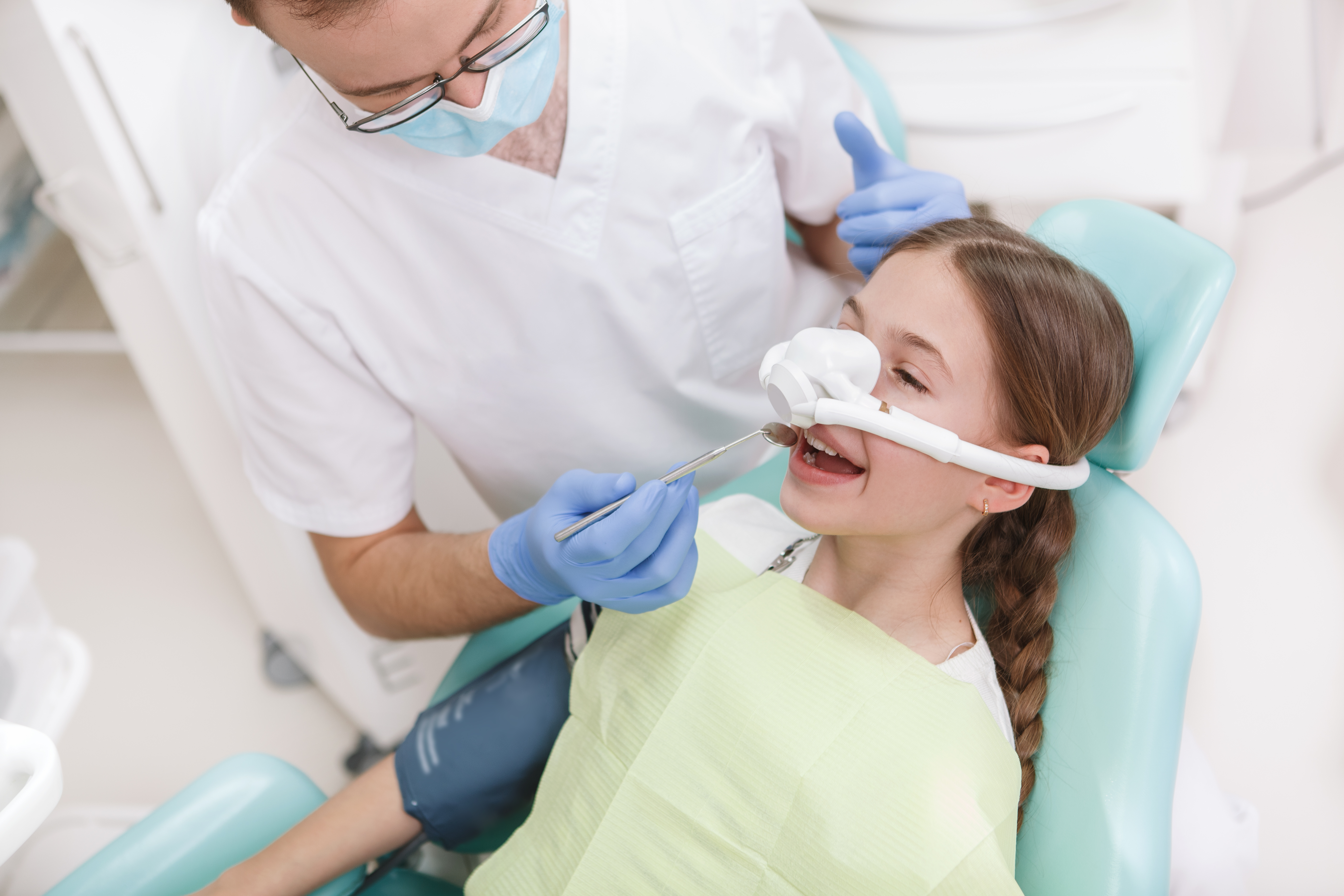
Cavities are common in children, but having one treated can feel intimidating for a young patient. At btyDENTAL, we understand that children may feel nervous about unfamiliar sounds, sensations, or dental procedures. Our goal is to help families in Anchorage make dental visits as comfortable and positive as possible. When anxiety makes cavity treatment difficult, pediatric sedation dentistry may help a child stay calmer and more comfortable while receiving the care they need.
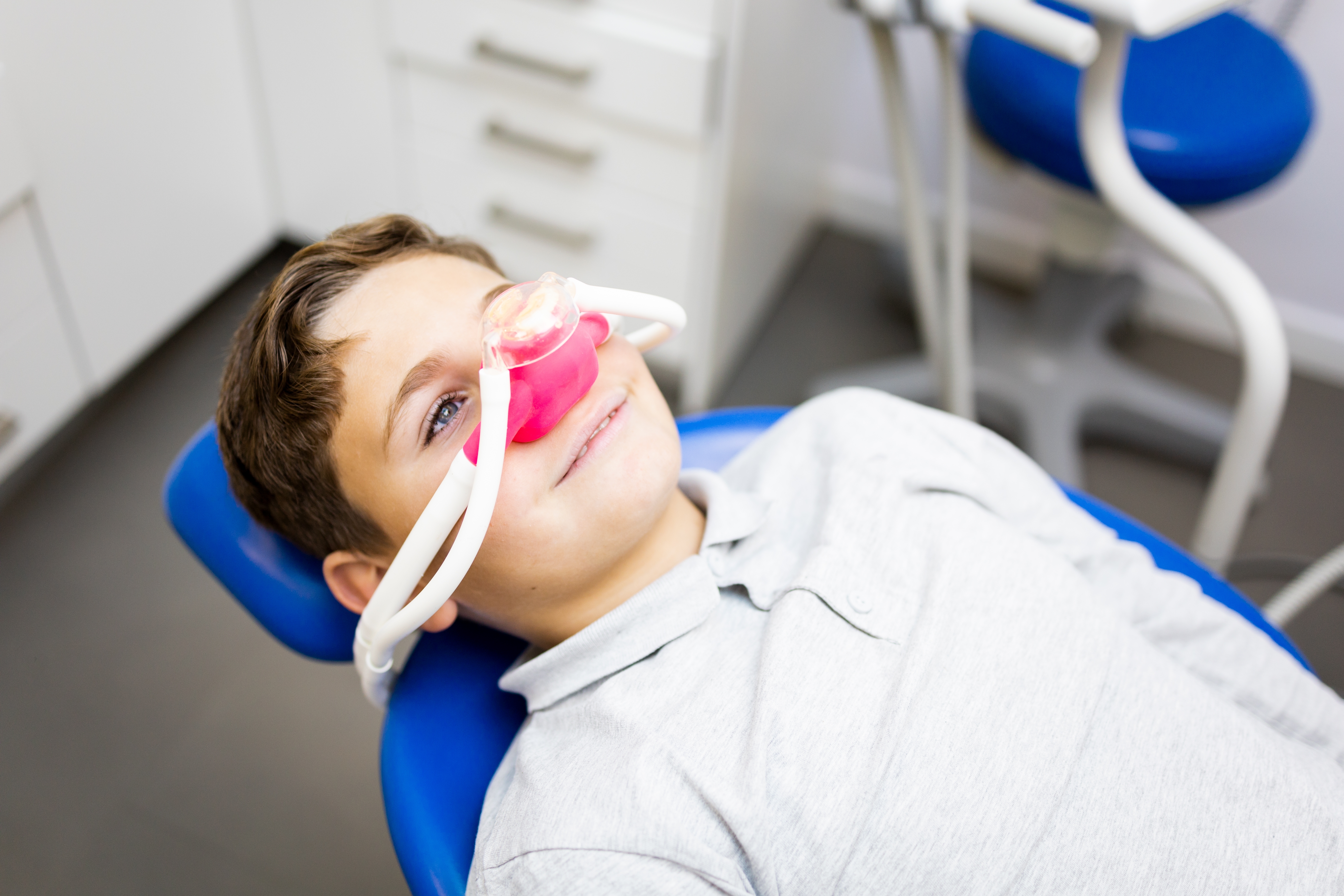
Dental anxiety can make even a routine appointment feel overwhelming. For some Anchorage patients, fear of discomfort, past dental experiences, a sensitive gag reflex, or difficulty sitting still can lead to delayed care. Sedation dentistry can create a calmer experience so patients can receive the treatment they need with greater comfort.

A brighter smile feels especially refreshing during summer in Anchorage, whether you are attending weddings, planning vacations, taking family photos, or simply wanting to feel more confident. Professional teeth whitening offers a safer, more reliable way to lift stains compared to many over-the-counter products. At btyDENTAL, we offer both Zoom whitening and at-home touch-up kits with trays for maintenance, helping patients choose an option that fits their goals and schedule.
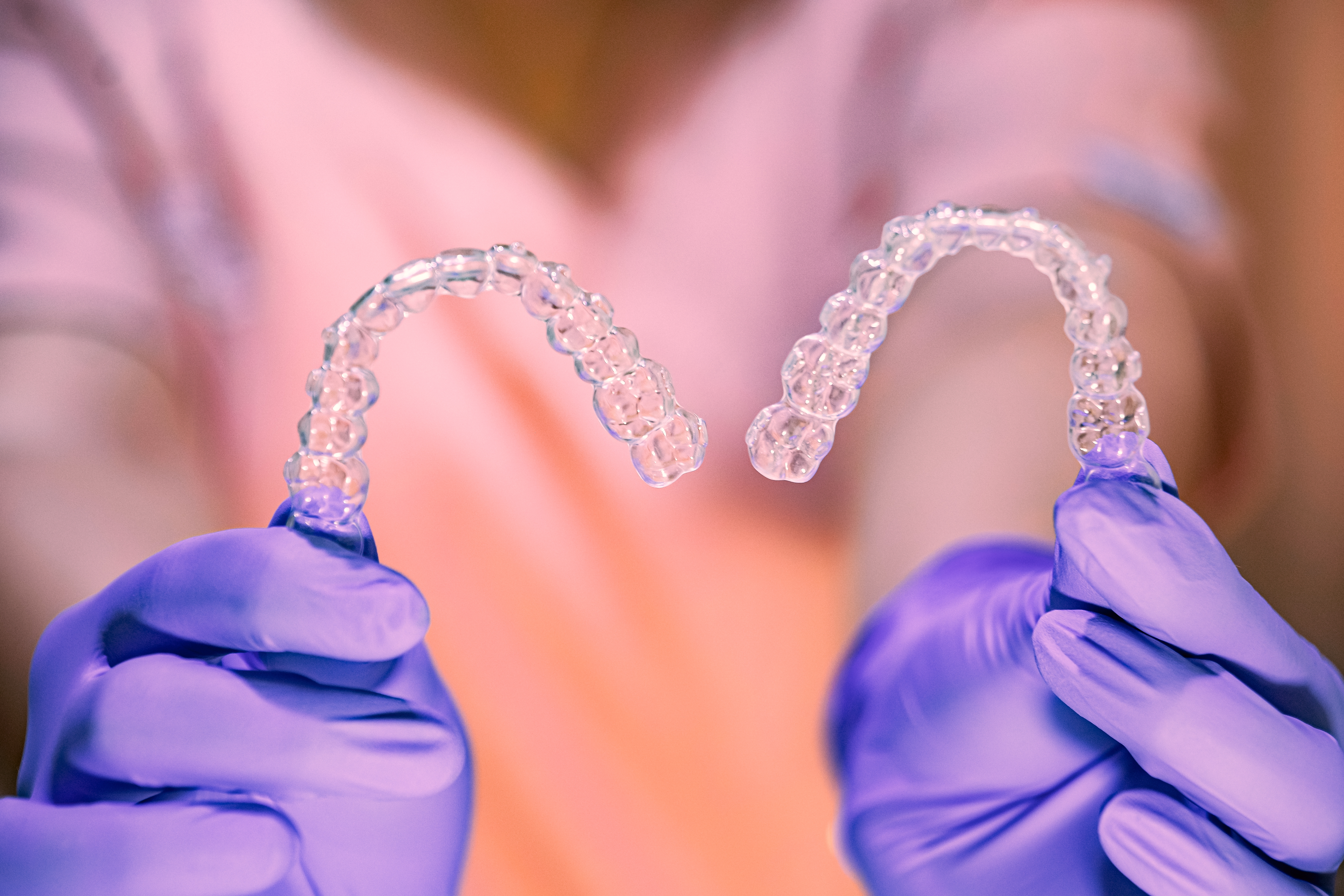
A straight smile is only part of what Invisalign treatment can help improve. For many Anchorage patients, clear aligners are also used to address bite issues that affect comfort, chewing, spacing, and long-term dental health. At btyDENTAL, Invisalign SmartTrack Technology offers a modern option for patients who want a more discreet way to improve alignment without traditional braces.

Invisalign can be a great option for patients who want a straighter smile without traditional metal braces. These clear aligners are designed to gently shift teeth over time while offering a more discreet and flexible orthodontic experience. If you have been thinking about improving crowding, spacing, or bite concerns, understanding how Invisalign works can help you decide whether it may be right for you.

Routine dental cleanings and exams are one of the simplest ways to protect your smile. For most patients, we recommend visiting every six months for preventive care. That schedule helps us remove plaque and tartar buildup, monitor for early signs of decay or gum disease, and keep small concerns from turning into bigger problems.
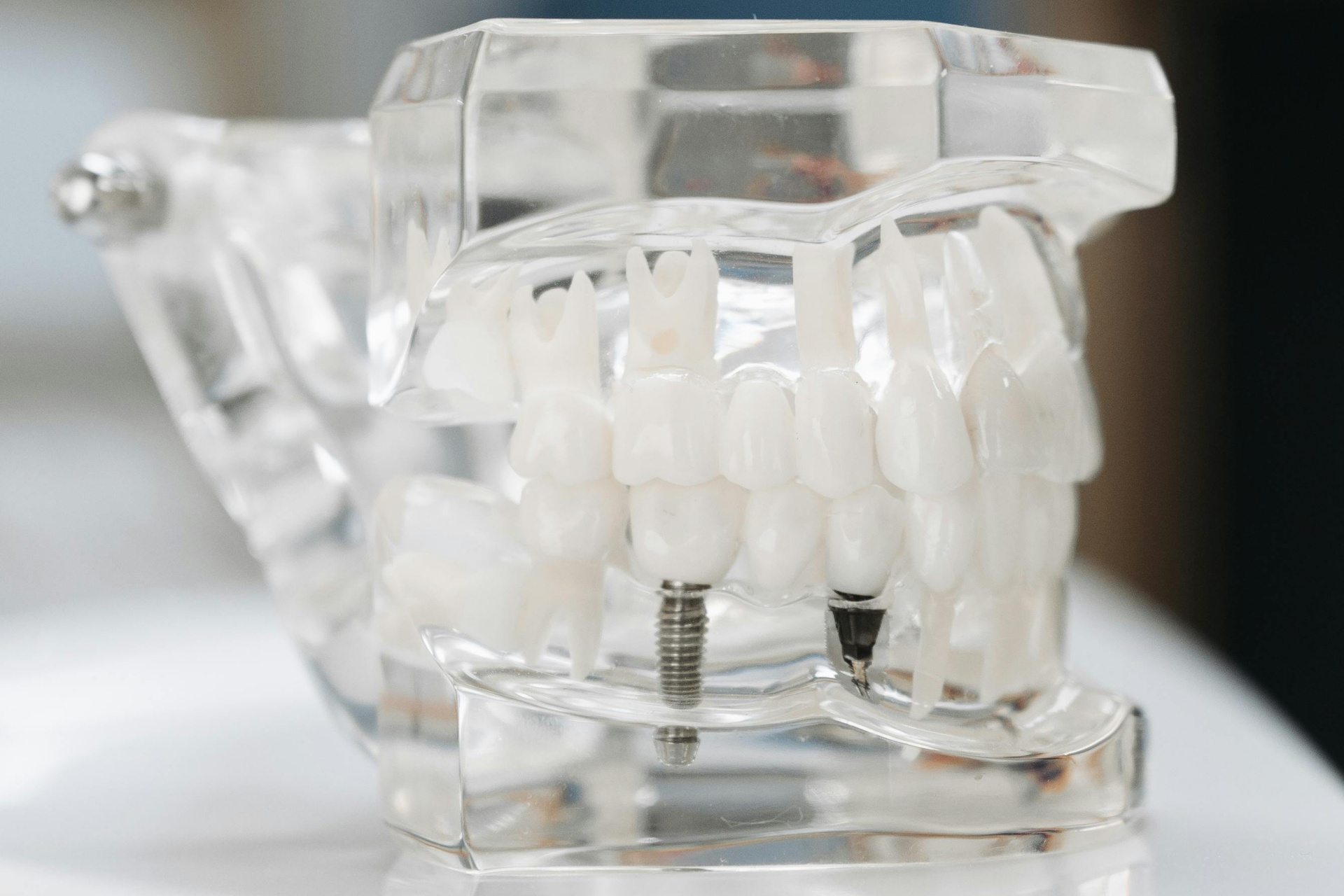
Not every implant looks the same or works the same way. If you have been researching alternatives to traditional dental implants, you have probably come across two terms: mini dental implants and screwless dental implants. Both are real options, but they serve different purposes and work in different ways.
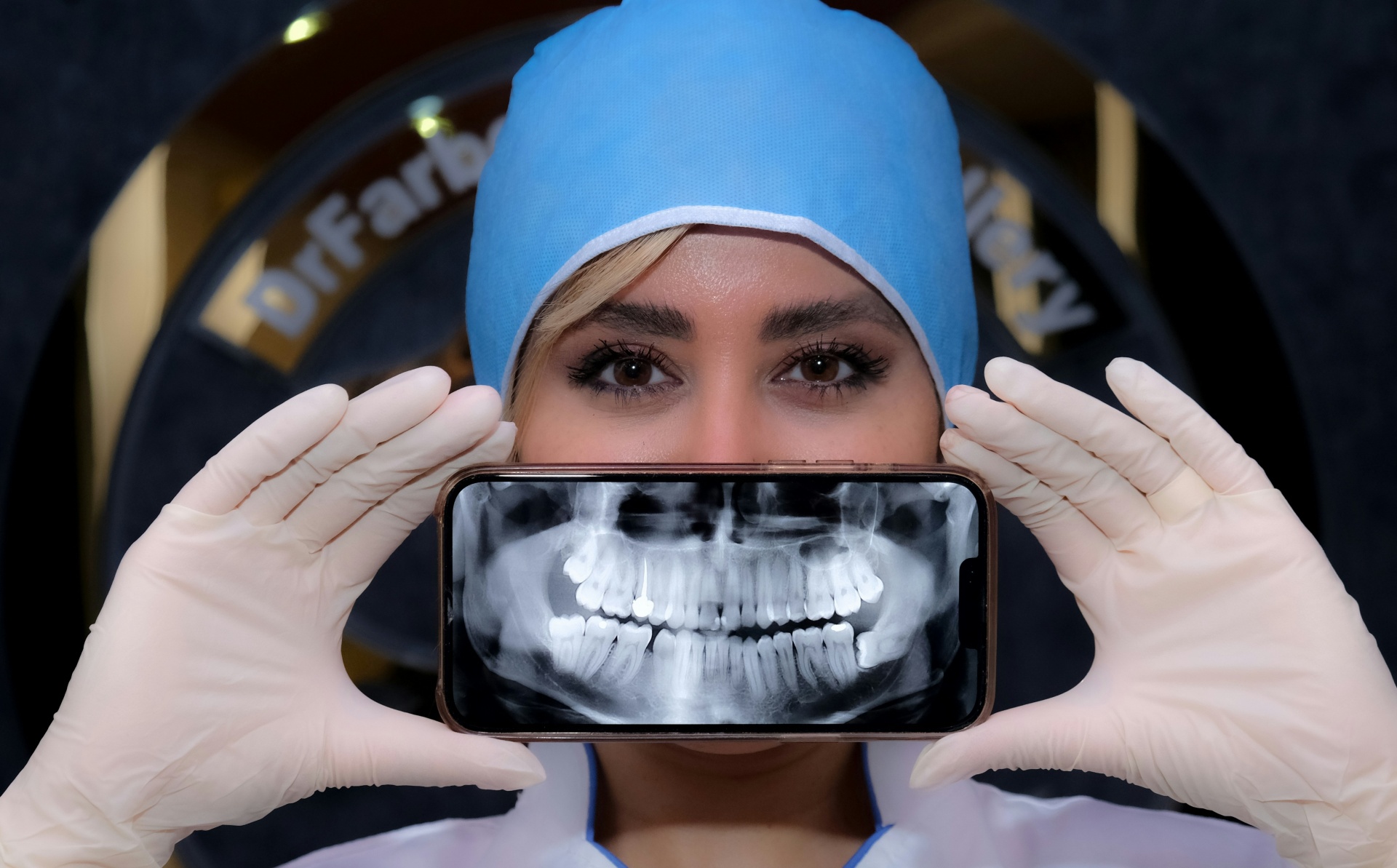
Full mouth dental implants in Anchorage typically range from $20,000 to $45,000 depending on your treatment plan, the number of implants needed, and whether you require bone grafting. That range is wide because "full mouth" is not a single procedure. It is a category that includes several different approaches, each suited to a different situation.
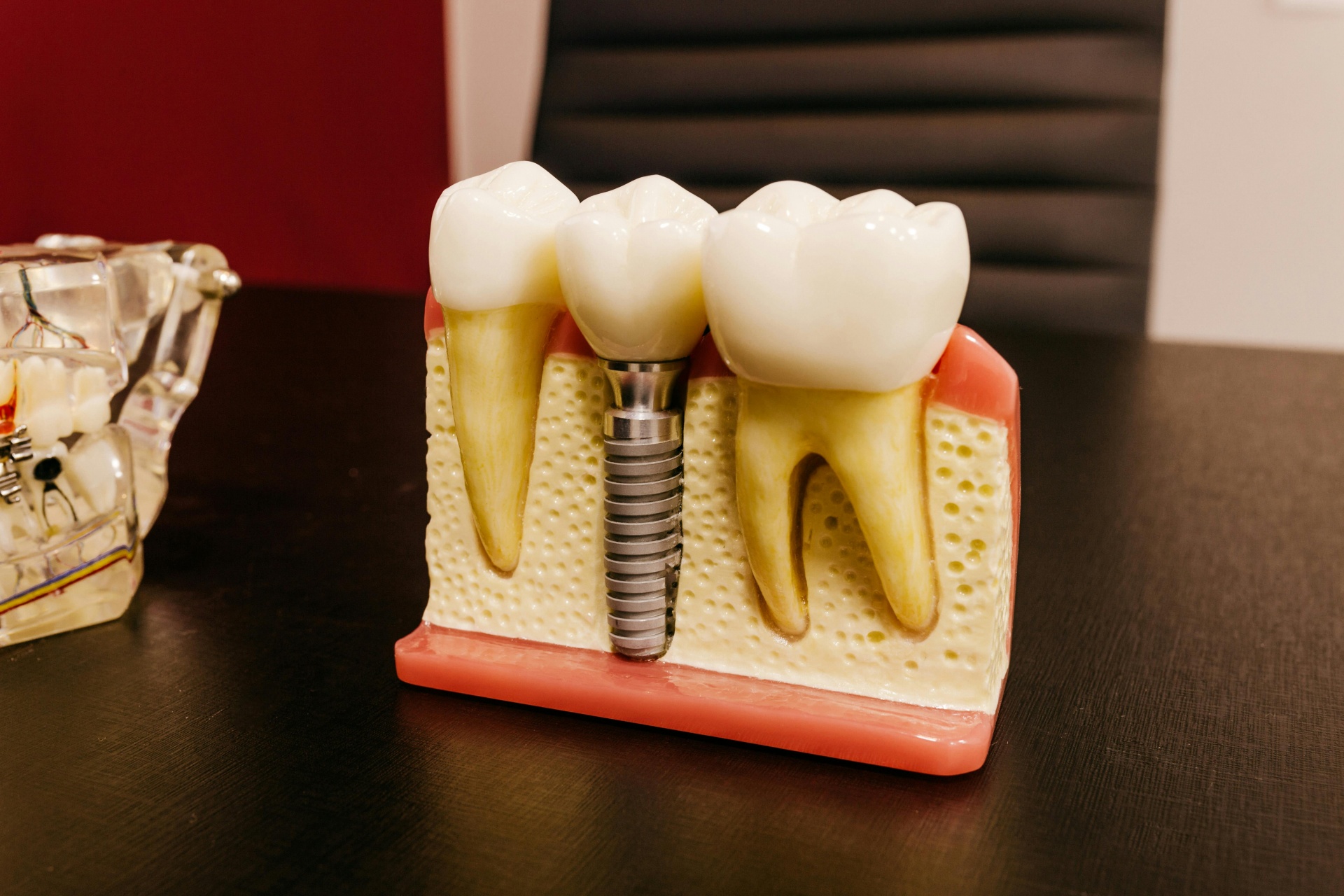
Yes, dental implants can be removed. The process is called explantation, and while implants are designed to be permanent, there are situations where removal becomes necessary. The good news: removal is uncommon. The vast majority of dental implants last decades without any issues. But knowing why it happens, what the signs are, and how the process works can help you make informed decisions about your own care.
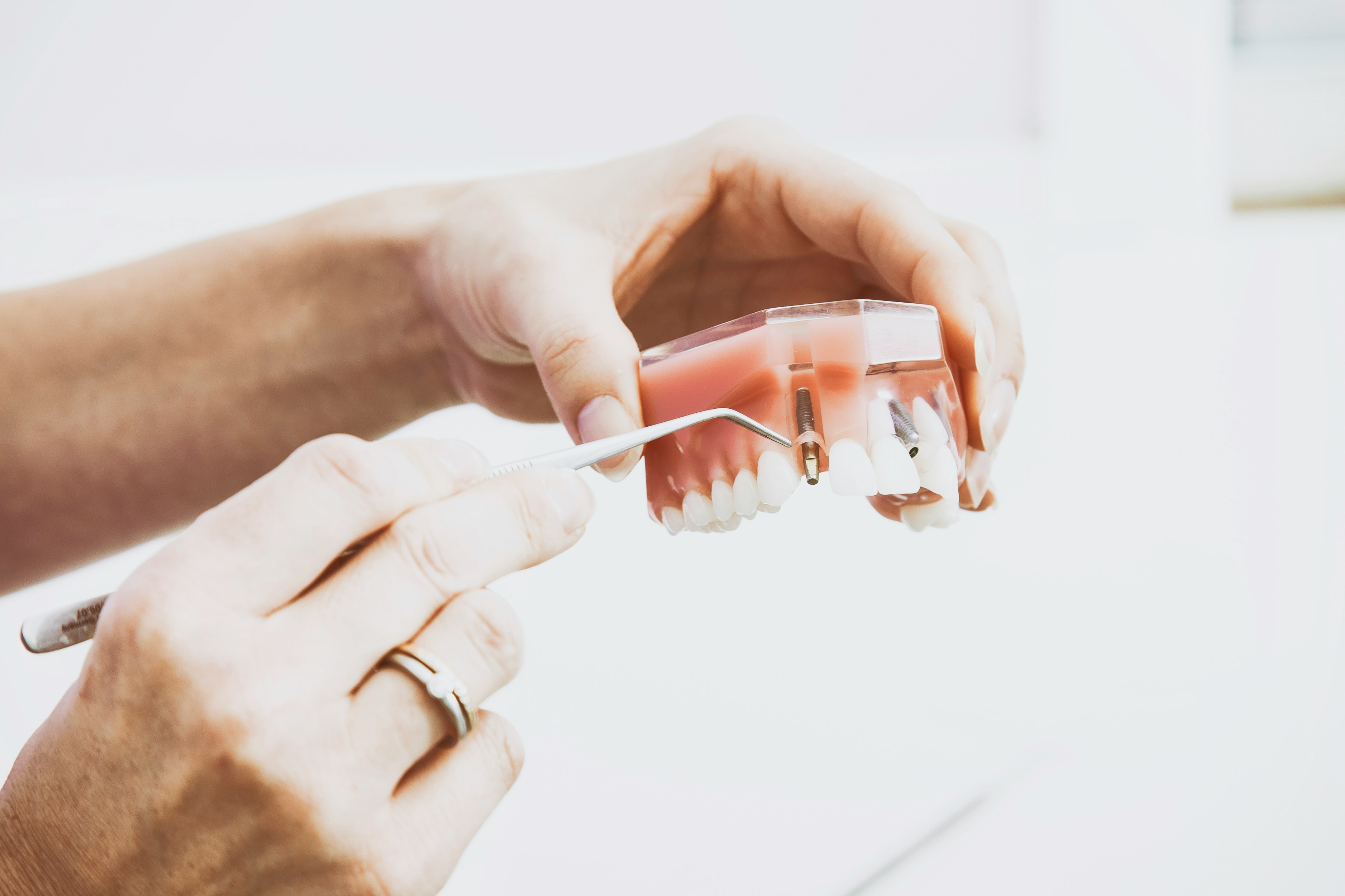
Yes, dental implants are safe. They have a clinical success rate of over 95% and are made from biocompatible titanium that your body is designed to accept. The procedure itself is performed under local anesthesia with minimal downtime, and serious complications are rare. That said, like any surgical procedure, implants carry some risks. Knowing what those risks are, what causes them, and how to prevent them is exactly what this article covers.


8 Locations
1921 W. Dimond Blvd, Suite 101
Anchorage, AK 99515
Anchorage, AK 99515

PHONE:
(907) 333-6666FAX:
(907) 333-3390Office Hours:
- Monday 9:00am - 7:00pm
- Tuesday 9:00am - 7:00pm
- Wednesday 9:00am - 7:00pm
- Thursday 9:00am - 7:00pm
- Friday 9:00am - 5:00pm
- Saturday Closed
- Sunday Closed
1136 N. Muldoon Rd Suite 110
Anchorage, AK 99504
Anchorage, AK 99504

PHONE:
(907) 333-6666FAX:
(907) 333-3390Office Hours:
- Monday 9:00am - 7:00pm
- Tuesday 9:00am - 7:00pm
- Wednesday 9:00am - 7:00pm
- Thursday 9:00am - 7:00pm
- Friday 9:00am - 5:00pm
- Saturday Closed
- Sunday Closed
4211 Mountain View Drive, Suite 102
Anchorage, AK 99508
Anchorage, AK 99508

PHONE:
(907) 333-6666FAX:
(907) 333-3390Office Hours:
- Monday 9:00am - 6:00pm
- Tuesday 9:00am - 6:00pm
- Wednesday 9:00am - 6:00pm
- Thursday 9:00am - 6:00pm
- Friday 9:00am - 5:00pm
- Saturday Closed
- Sunday Closed
3565 Arctic Blvd Unit D1-2
Anchorage, AK 99503
Anchorage, AK 99503

PHONE:
(907) 333-6666FAX:
(907) 333-3390Office Hours:
- Monday 9:00am - 6:00pm
- Tuesday 9:00am - 6:00pm
- Wednesday 9:00am - 6:00pm
- Thursday 9:00am - 6:00pm
- Friday 9:00am - 5:00pm
- Saturday Closed
- Sunday Closed
726 E. 9th Avenue
Anchorage, AK 99501
Anchorage, AK 99501

PHONE:
(907) 333-6666FAX:
(907) 333-3390Office Hours:
- Monday 3:00pm - 7:00pm
- Tuesday 3:00pm - 7:00pm
- Wednesday 3:00pm - 7:00pm
- Thursday 3:00pm - 7:00pm
- Friday 9:00am - 5:00pm
- Saturday Closed
- Sunday Closed
9138 Arlon Street, Suite B4
Anchorage, AK 99507
Anchorage, AK 99507

PHONE:
(907) 333-6666FAX:
(907) 333-3390Office Hours:
- Monday 9:00am - 6:00pm
- Tuesday 9:00am - 6:00pm
- Wednesday 9:00am - 6:00pm
- Thursday 9:00am - 6:00pm
- Friday 9:00am - 5:00pm
- Saturday Closed
- Sunday Closed
8840 Old Seward Highway
Anchorage, AK 99515
Anchorage, AK 99515

PHONE:
(907) 333-6666PHONE:
(907) 333-3390Office Hours:
- Monday 9:00am - 6:00pm
- Tuesday 9:00am - 6:00pm
- Wednesday 9:00am - 6:00pm
- Thursday 9:00am - 6:00pm
- Friday 9:00am - 5:00pm
- Saturday Closed
- Sunday Closed
1818 W. Northern Lights Blvd.
Anchorage, AK 99517
Anchorage, AK 99517

PHONE:
(907) 333-6666FAX:
(907) 333-3390Office Hours:
- Monday 9:00am - 6:00pm
- Tuesday 9:00am - 6:00pm
- Wednesday 9:00am - 6:00pm
- Thursday 9:00am - 6:00pm
- Friday 9:00am - 5:00pm
- Saturday Closed
- Sunday Closed
Powered by:

