
What to Eat After Dental Implant Surgery: A Week-by-Week Guide

What to Eat After Dental Implant Surgery: A Week-by-Week Guide

What to Eat After Dental Implant Surgery: A Week-by-Week Guide

What to Eat After Dental Implant Surgery: A Week-by-Week Guide

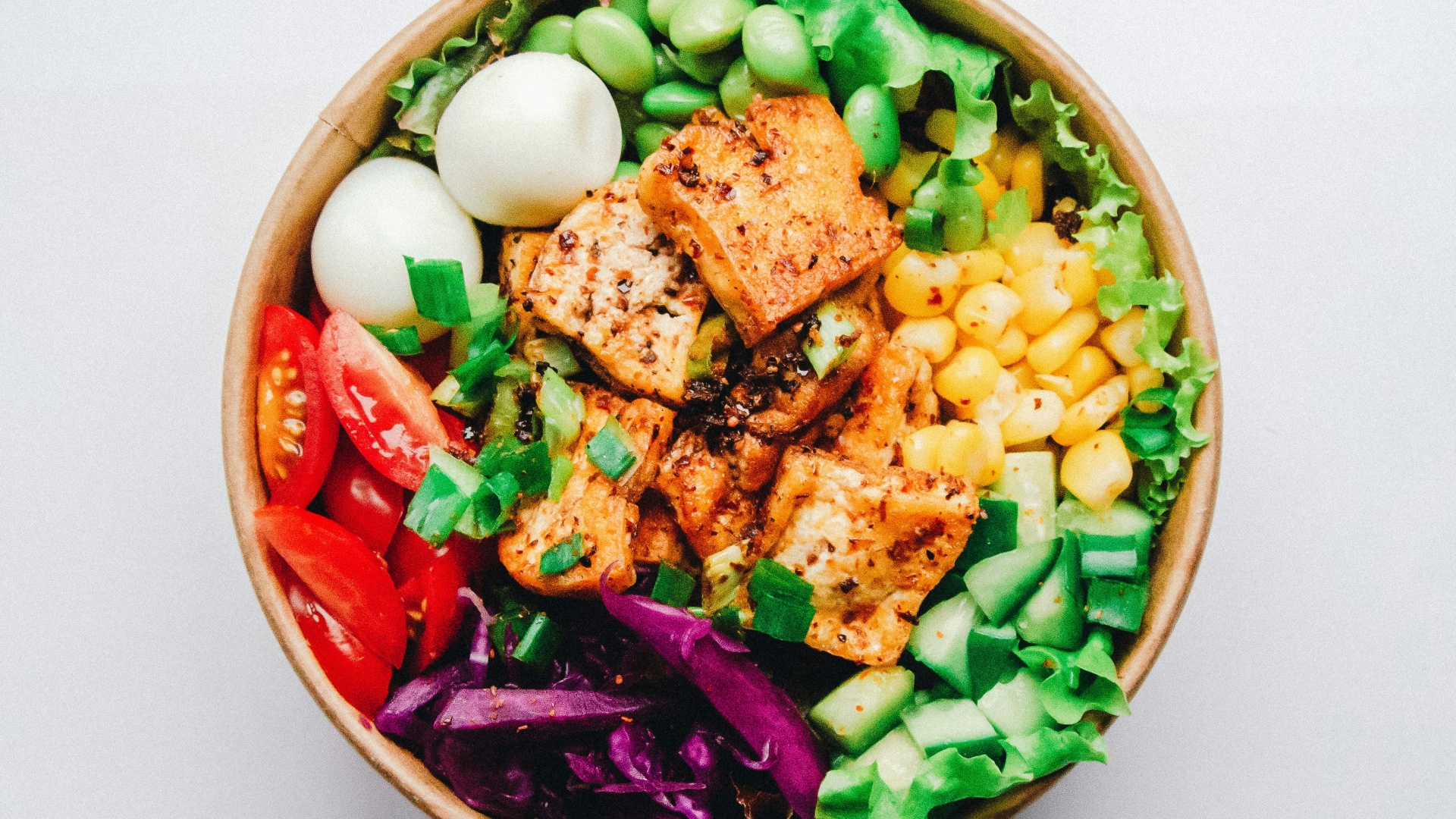
If you just got a dental implant, stick to soft, cool, protein-rich foods for the first 48 hours, then gradually work your way back to normal meals over the next few weeks. Avoid dairy for the first 24 hours, skip crunchy or hard foods for at least 2 weeks, and avoid hot liquids for the first day or two.
That covers the basics. Below is the full breakdown of what to eat, what to avoid, and when you can get back to your favorite foods.
The First 24 Hours: What to Eat Right After Surgery
This is the most critical window. Your implant site is fresh; there may be stitches, and your mouth will likely still be numb for a few hours after the procedure.
Eat these:
- Smoothies (no straw, the suction can dislodge the clot)
- Lukewarm or cool broth
- Applesauce
- Mashed avocado
- Protein shakes (non-dairy for the first day)
- Yogurt alternatives like coconut or almond-based yogurt
Avoid:
- Anything hot (hot soup, coffee, tea)
- Dairy products (milk, cheese, yogurt) for the first 24 hours
- Crunchy or chewy foods
- Spicy foods
- Alcohol
- Anything that requires a straw
Why No Dairy After Dental Implant Surgery?
This is one of the most common questions patients ask, and for good reason. The concern with dairy in the first 24 hours comes down to two things.
First, dairy products like milk, cheese, and yogurt can encourage bacterial growth in the mouth during the initial healing window. When the surgical site is still open and vulnerable, introducing bacteria increases the risk of infection at the implant area.
Second, some dairy products can interact with certain antibiotics and pain medications commonly prescribed after implant surgery. This can reduce the effectiveness of the medication, which is the last thing you want during the most important part of healing.
After the first 24 hours, you can start reintroducing dairy. Yogurt and soft cheeses are actually great recovery foods once that initial window has passed because they're packed with protein and calcium.
Days 2 Through 7: Your First Week's Diet
By day two, the initial numbness and bleeding should have subsided. You can start expanding your options while still keeping things soft.
Good choices for week one:
- Scrambled eggs
- Oatmeal (not too hot)
- Mashed potatoes
- Soft pasta (well-cooked, nothing al dente)
- Yogurt and soft cheeses (dairy is fine after day one)
- Steamed and mashed vegetables
- Bananas
- Soft fish like salmon or tilapia
- Hummus
- Pudding and Jell-O
Still avoid:
- Chips, crackers, nuts, and seeds
- Raw vegetables and crunchy fruits (apples, carrots)
- Steak or tough meats
- Bread with a hard crust
- Popcorn
- Sticky foods like caramel or taffy
The goal during week one is to give the implant site time to form a stable blood clot and begin the early stages of osseointegration (where the implant fuses with your jawbone). Biting into hard foods too early can disrupt that process.
Weeks 2 Through 4: Transitioning to Normal Foods
By the second week, most patients notice a significant improvement in comfort. You can start introducing firmer foods, but ease into it.
You can now add:
- Soft sandwiches (nothing crusty)
- Cooked chicken and tender meats
- Rice and grain bowls
- Cooked vegetables (not raw yet)
- Soft fruits like berries, melon, and peaches
Hold off on:
- Chips and hard snacks (this is the one patients ask about most, and the answer is: wait until at least week three or four)
- Nuts and seeds
- Hard candy
- Raw carrots, celery, and apples
By week three or four, most patients can eat normally again. The key is to chew on the opposite side of your implant until your dentist gives the all-clear.
When Can I Eat Chips After a Dental Implant?
This deserves its own section because it's one of the top questions we hear. The safe answer is to wait at least three to four weeks before eating chips, pretzels, or any hard, crunchy snack.
Chips are risky for two reasons: the sharp edges can irritate or cut the healing gum tissue, and the biting force can put pressure on the implant before it has fully integrated with the bone.
If you're craving something salty and crunchy, try softer alternatives like puffed rice cakes or lightly salted crackers that dissolve easily. Once your dentist confirms the implant site is healing well at your follow-up appointment, you can get back to your regular snacking.
Does Food Get Stuck Under Dental Implants?
Once your implant is fully healed and the permanent crown is placed, food should not get stuck under or around it any more than it would with a natural tooth. The crown is custom-fitted to sit flush against your gum line.
During the healing phase, however, food particles can occasionally settle near the surgical site. This is normal. Gently rinse with warm salt water after meals to keep the area clean. Do not use a water flosser or aggressive rinsing during the first week.
Once you're fully healed, you can brush, floss, and use a water flosser around your implant just like you would with your natural teeth.
Foods That Help You Heal Faster
What you eat during recovery can actually speed up the process. Focus on foods that are high in:
- Protein for tissue repair: eggs, fish, Greek yogurt (after day one), protein shakes
- Vitamin C for immune support and collagen production: oranges (juice only during week one), strawberries, bell peppers, broccoli (steamed and soft)
- Calcium and Vitamin D for bone health: yogurt, fortified plant milks, soft cheeses, salmon
- Zinc for wound healing: eggs, chickpeas, lentils, soft-cooked beans
- Omega-3 fatty acids to reduce inflammation: salmon, avocado, chia seeds blended into smoothies
Staying hydrated is equally important. Drink plenty of water throughout the day. Avoid alcohol for at least 72 hours after surgery, as it can thin the blood and slow down healing.
Quick Reference: Your Recovery Diet Timeline
First 24 hours: Liquids and very soft foods only. No dairy, no hot foods, no straws.
Days 2 to 7: Soft foods. Dairy is fine. Avoid anything crunchy, hard, or chewy.
Weeks 2 to 3: Gradually add firmer foods. Chew on the opposite side. Still no chips or nuts.
Weeks 3 to 4: Most patients return to a normal diet. Get your dentist's green light before eating hard or crunchy foods.
After full healing: Eat anything you want. Your implant functions just like a natural tooth.
Have Questions About Your Recovery?
Every patient heals at their own pace, and your diet plan may vary depending on the type of implant you received, whether a bone graft was involved, and your overall health. If you're ever unsure about what you can eat, call your btyDENTAL team. We're here to help.
Ready to get started with dental implants? Schedule your free consultation at any of our 8 Anchorage locations.
Call (907) 333-6666 or visit Schedule a Consultation Online!


8 Locations
1921 W. Dimond Blvd, Suite 101
Anchorage, AK 99515
Anchorage, AK 99515

PHONE:
(907) 333-6666FAX:
(907) 333-3390Office Hours:
- Monday 9:00am - 7:00pm
- Tuesday 9:00am - 7:00pm
- Wednesday 9:00am - 7:00pm
- Thursday 9:00am - 7:00pm
- Friday 9:00am - 5:00pm
- Saturday Closed
- Sunday Closed
1136 N. Muldoon Rd Suite 110
Anchorage, AK 99504
Anchorage, AK 99504

PHONE:
(907) 333-6666FAX:
(907) 333-3390Office Hours:
- Monday 9:00am - 7:00pm
- Tuesday 9:00am - 7:00pm
- Wednesday 9:00am - 7:00pm
- Thursday 9:00am - 7:00pm
- Friday 9:00am - 5:00pm
- Saturday Closed
- Sunday Closed
4211 Mountain View Drive, Suite 102
Anchorage, AK 99508
Anchorage, AK 99508

PHONE:
(907) 333-6666FAX:
(907) 333-3390Office Hours:
- Monday 9:00am - 6:00pm
- Tuesday 9:00am - 6:00pm
- Wednesday 9:00am - 6:00pm
- Thursday 9:00am - 6:00pm
- Friday 9:00am - 5:00pm
- Saturday Closed
- Sunday Closed
3565 Arctic Blvd Unit D1-2
Anchorage, AK 99503
Anchorage, AK 99503

PHONE:
(907) 333-6666FAX:
(907) 333-3390Office Hours:
- Monday 9:00am - 6:00pm
- Tuesday 9:00am - 6:00pm
- Wednesday 9:00am - 6:00pm
- Thursday 9:00am - 6:00pm
- Friday 9:00am - 5:00pm
- Saturday Closed
- Sunday Closed
726 E. 9th Avenue
Anchorage, AK 99501
Anchorage, AK 99501

PHONE:
(907) 333-6666FAX:
(907) 333-3390Office Hours:
- Monday 3:00pm - 7:00pm
- Tuesday 3:00pm - 7:00pm
- Wednesday 3:00pm - 7:00pm
- Thursday 3:00pm - 7:00pm
- Friday 9:00am - 5:00pm
- Saturday Closed
- Sunday Closed
9138 Arlon Street, Suite B4
Anchorage, AK 99507
Anchorage, AK 99507

PHONE:
(907) 333-6666FAX:
(907) 333-3390Office Hours:
- Monday 9:00am - 6:00pm
- Tuesday 9:00am - 6:00pm
- Wednesday 9:00am - 6:00pm
- Thursday 9:00am - 6:00pm
- Friday 9:00am - 5:00pm
- Saturday Closed
- Sunday Closed
8840 Old Seward Highway
Anchorage, AK 99515
Anchorage, AK 99515

PHONE:
(907) 333-6666PHONE:
(907) 333-3390Office Hours:
- Monday 9:00am - 6:00pm
- Tuesday 9:00am - 6:00pm
- Wednesday 9:00am - 6:00pm
- Thursday 9:00am - 6:00pm
- Friday 9:00am - 5:00pm
- Saturday Closed
- Sunday Closed
1818 W. Northern Lights Blvd.
Anchorage, AK 99517
Anchorage, AK 99517

PHONE:
(907) 333-6666FAX:
(907) 333-3390Office Hours:
- Monday 9:00am - 6:00pm
- Tuesday 9:00am - 6:00pm
- Wednesday 9:00am - 6:00pm
- Thursday 9:00am - 6:00pm
- Friday 9:00am - 5:00pm
- Saturday Closed
- Sunday Closed
Powered by:

