


Can Dental Implants Be Removed?
Yes, dental implants can be removed. The process is called explantation, and while implants are designed to be permanent, there are situations where removal becomes necessary. The good news: removal is uncommon. The vast majority of dental implants last decades without any issues. But knowing why it happens, what the signs are, and how the process works can help you make informed decisions about your own care.
Why Would a Dental Implant Need to Be Removed?
Implants fail or require removal for a handful of reasons. Here are the most common:
Peri-implantitis (Gum and Bone Infection)
Peri-implantitis is the leading cause of implant removal. It is an infection that develops around the implant, attacking the gum and bone that hold it in place. Without treatment, the bone deteriorates to the point where the implant loses its anchor and cannot function.
Early signs include redness or swelling around the implant, bleeding when you brush near it, and a bad taste that does not go away. If you notice any of these, contact your dentist promptly. Caught early, peri-implantitis can often be treated without removing the implant.
Failed Osseointegration
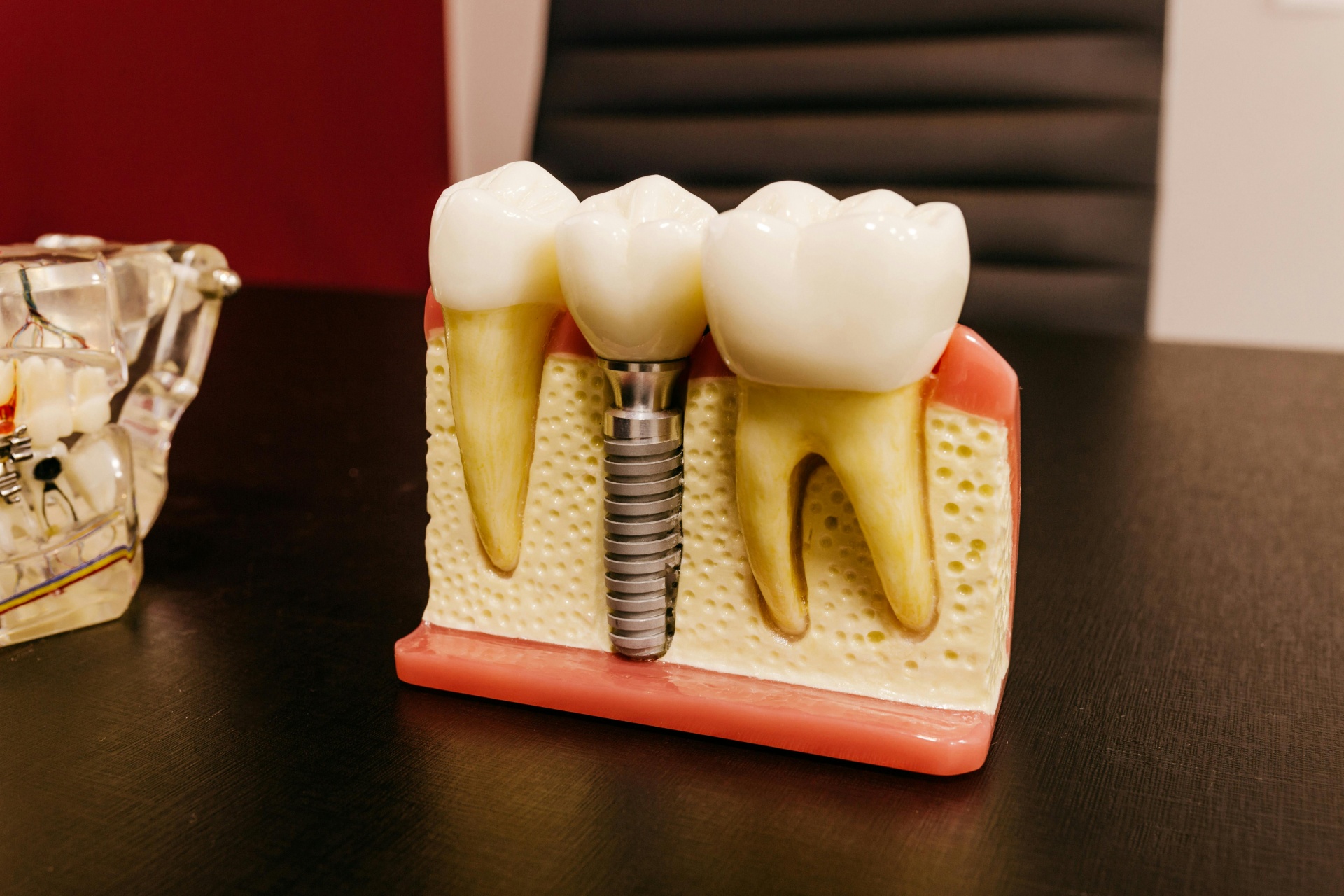
Osseointegration is the process where the implant post fuses with your jawbone. This typically takes three to six months. If the bone does not bond properly with the implant, the implant will feel loose or shift. A failed fusion means the implant cannot support a crown and needs to be removed before it causes further damage.
Incorrect Placement
If an implant is placed too close to a nerve, positioned at the wrong angle, or placed in a location with insufficient bone density, it may need to be removed and repositioned. This is rare with experienced providers but does happen.
Allergic Reaction to Titanium
Titanium allergies are extremely rare but possible. Symptoms can include persistent swelling, a rash near the implant site, or a general feeling that something is wrong that does not resolve over time. In these cases, removal and replacement with a zirconia (ceramic) implant is an option.
Medical Changes
Certain medications, health conditions, or lifestyle changes after placement can compromise the bone surrounding an implant. Bisphosphonate medications (used to treat osteoporosis), heavy smoking, uncontrolled diabetes, and radiation therapy to the jaw area are all risk factors that can contribute to implant failure over time.
What Does Dental Implant Removal Involve?
Removing a dental implant is a minor surgical procedure performed under local anesthesia. Your dentist or oral surgeon will use specialized tools to break the bond between the implant and the bone, then carefully extract the post.
The procedure typically takes 30 to 60 minutes depending on how well-integrated the implant is. Recovery is similar to the original placement: some swelling and tenderness for a few days, soft foods for a short period, and a follow-up to ensure the area heals cleanly.
The biggest concern after removal is bone loss. Any time an implant is placed and then removed, some bone volume is lost in that area. Your provider will likely recommend a bone graft to rebuild the site before replacing the implant.
Can You Get a New Implant After Removal?
In most cases, yes. Once the extraction site heals and any infection clears, a new implant can be placed, often with a bone graft to restore the density lost during the failed implant period. The timeline for replacement is usually four to six months after removal, though this varies by case.
Some patients who have experienced implant failure ask about alternatives like All-on-X prosthetics or implant-supported dentures, particularly if bone loss is significant. These are worth discussing with your provider based on your specific situation.
How to Reduce the Risk of Needing Removal
Implant removal is almost always preventable with the right habits and the right provider. A few things that make a significant difference:
Choose an experienced implant dentist. Proper placement technique, bone density assessment, and patient screening all reduce failure rates significantly. At btyDENTAL Dimond, our team evaluates every patient's bone structure and health history before recommending implants to make sure you are a strong candidate.
Maintain your oral hygiene. Peri-implantitis, the leading cause of implant failure, is largely driven by plaque buildup around the implant. Brushing twice daily, flossing around the implant site, and using an antibacterial rinse all reduce your risk.
Keep your regular dental appointments. Routine cleanings allow your dentist to catch early signs of infection or bone loss before they progress to a point where removal becomes necessary.
Quit smoking. Smokers have a significantly higher implant failure rate. Nicotine restricts blood flow to the gums and slows the healing needed for osseointegration.
Manage underlying health conditions. Uncontrolled blood sugar in particular is a major risk factor for implant failure. Keeping chronic conditions well-managed protects your implant investment.
What Should You Do If Your Implant Feels Loose or Uncomfortable?
Do not wait. A loose implant, persistent pain, or swelling around an implant site are not normal and should be evaluated as soon as possible. The sooner a problem is caught, the more options you have, and the more likely it is that removal can be avoided altogether.
If you have concerns about an existing implant or want to learn whether you are a good candidate for dental implants in Anchorage, we would be glad to take a look.
Ready to Talk to Someone About Dental Implants?
Whether you are considering implants for the first time or have questions about an existing one, our team at btyDENTAL Dimond is here to help. We see patients from across Anchorage and surrounding areas and take the time to explain your options clearly before recommending any treatment.
Call us at (907) 302-5154 or request an appointment online below.


