
Are Dental Implants Safe? What Patients in Anchorage Need to Know

Are Dental Implants Safe? What Patients in Anchorage Need to Know

Are Dental Implants Safe? What Patients in Anchorage Need to Know

Are Dental Implants Safe? What Patients in Anchorage Need to Know

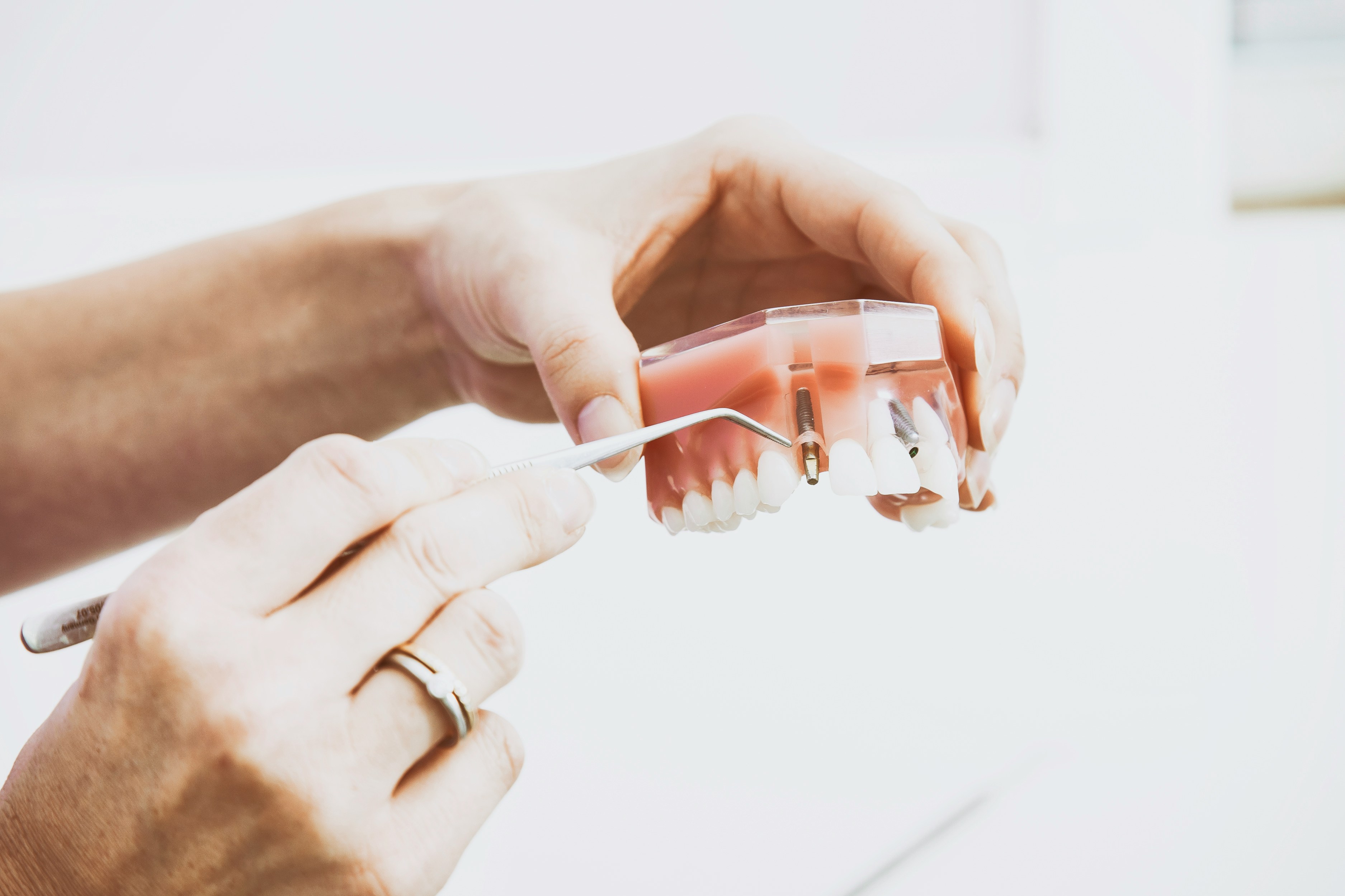
Yes, dental implants are safe. They have a clinical success rate of over 95% and are made from biocompatible titanium that your body is designed to accept. The procedure itself is performed under local anesthesia with minimal downtime, and serious complications are rare.
That said, like any surgical procedure, implants carry some risks. Knowing what those risks are, what causes them, and how to prevent them is exactly what this article covers.
Why Dental Implants Are Considered Safe
Dental implants have been used in dentistry for over 50 years. The titanium used in the implant post is the same material used in hip replacements and other orthopedic devices. It is non-toxic, non-allergenic, and bonds directly with your jawbone in a process called osseointegration.
The crown (the visible tooth portion) is typically made from zirconia or porcelain ceramic, both of which are completely biocompatible.
When placed by an experienced implant dentist with proper patient screening and post-op care, dental implants are among the most reliable and long-lasting tooth replacement options available.
What Are the Real Risks of Dental Implants?
Implants are safe, but they are not risk-free. Here are the most common issues patients should understand before moving forward.
Infection (Peri-implantitis)
The most common complication is peri-implantitis, which is an infection of the tissue and bone around the implant. It behaves similarly to gum disease and, if left untreated, can cause bone loss and implant failure.
Signs of peri-implantitis include swollen or bleeding gums around the implant, pain when chewing, and a loose-feeling implant. If you notice any of these, contact your dentist right away.
Implant Failure
Implant failure happens when the implant does not fuse properly with the jawbone (osseointegration failure) or when the bone around the implant breaks down over time. This is more common in patients who smoke, have uncontrolled diabetes, or have significant bone loss.
Early failure (within the first few months) is less common than late failure, which can occur years after placement due to infection or physical trauma.
Nerve or Tissue Damage
In rare cases, an implant placed too close to a nerve can cause numbness, tingling, or persistent pain. This is why proper imaging and treatment planning before surgery is critical. At btyDENTAL, we use detailed scans before every implant procedure to map out the exact placement.
Sinus Issues
For implants placed in the upper jaw, there is a small risk of the implant protruding into the sinus cavity. This is more common in patients with low bone density in the upper jaw and can usually be avoided with proper pre-surgical planning.
Allergic Reaction to Titanium
True titanium allergies are extremely rare, affecting less than 1% of patients. If you have a known metal sensitivity, let your dentist know before treatment begins so they can evaluate alternative materials.
Can Dental Implants Get Infected?
Yes, dental implants can get infected, both during the healing phase and years after placement.
During the healing phase, infection is most likely to occur in the first few weeks after surgery if bacteria enter the surgical site. This is why post-op instructions matter so much: keeping the area clean, avoiding smoking, and taking prescribed antibiotics as directed are all critical.
After the implant is fully integrated, infection typically develops gradually due to poor oral hygiene, gum disease, or smoking. The good news is that early-stage peri-implantitis is very treatable when caught in time. This is one of the strongest reasons to maintain regular dental checkups even after your implant is complete.
What Causes Dental Implant Failure?
Understanding the causes of failure helps you avoid them. Here are the most common contributing factors:
Smoking. Smokers have a significantly higher implant failure rate. Tobacco restricts blood flow to the gums and bone, slowing healing and increasing infection risk. We strongly recommend quitting at least two weeks before surgery and throughout the healing period.
Uncontrolled diabetes. Patients with well-managed diabetes can successfully receive implants. However, uncontrolled blood sugar impairs healing and increases infection risk. Talk to both your physician and your implant dentist before proceeding.
Insufficient bone density. Implants need adequate bone to anchor into. Patients with significant bone loss may need a bone graft first. This is not a reason to avoid implants but it does add a step to the process.
Poor oral hygiene. Neglecting to brush and floss around the implant allows bacteria to accumulate, which can lead to peri-implantitis and eventual failure. Treat your implant like a natural tooth.
Alcohol consumption. Heavy alcohol use in the days following surgery can thin the blood, interfere with healing, and increase infection risk. Avoid alcohol for at least 72 hours after your procedure.
Who Is Responsible If a Dental Implant Fails?
This is a question patients often think but rarely ask out loud. The honest answer: it depends on the cause.
If an implant fails due to a surgical error, improper placement, or a defect in the implant component, the dentist or practice bears responsibility. Reputable practices like btyDENTAL stand behind their work and will discuss options with you if something goes wrong.
If an implant fails because a patient did not follow post-op instructions (continuing to smoke, skipping follow-up appointments, neglecting oral hygiene), the outcome is largely outside the dentist's control.
Before your procedure, ask your provider about their implant success rate, what their process is if an implant needs to be redone, and whether any warranty or guarantee applies. At btyDENTAL, we are transparent about our process and outcomes.
How to Maximize the Safety and Success of Your Implant
The good news is that most of the risk factors for implant failure are within your control. Here is what you can do:
- Choose an experienced implant dentist who uses proper imaging and treatment planning before surgery
- Be honest about your full medical history (medications, health conditions, smoking status)
- Follow all post-op instructions carefully, especially in the first two weeks
- Quit smoking before and during the healing period
- Maintain excellent oral hygiene around the implant site
- Attend all follow-up appointments so your dentist can catch any early signs of infection
- Contact your dentist immediately if you notice pain, swelling, or looseness around the implant
Thinking About Dental Implants in Anchorage?
At btyDENTAL, we screen every implant patient carefully before recommending treatment. We use detailed imaging to plan precise placement, and we are with you through every stage of the process. If you have questions about whether implants are right for you, we offer free consultations at all 8 of our Anchorage locations.
Call (907) 333-6666 or schedule your free implant consultation online today!


8 Locations
1921 W. Dimond Blvd, Suite 101
Anchorage, AK 99515
Anchorage, AK 99515

PHONE:
(907) 333-6666FAX:
(907) 333-3390Office Hours:
- Monday 9:00am - 7:00pm
- Tuesday 9:00am - 7:00pm
- Wednesday 9:00am - 7:00pm
- Thursday 9:00am - 7:00pm
- Friday 9:00am - 5:00pm
- Saturday Closed
- Sunday Closed
1136 N. Muldoon Rd Suite 110
Anchorage, AK 99504
Anchorage, AK 99504

PHONE:
(907) 333-6666FAX:
(907) 333-3390Office Hours:
- Monday 9:00am - 7:00pm
- Tuesday 9:00am - 7:00pm
- Wednesday 9:00am - 7:00pm
- Thursday 9:00am - 7:00pm
- Friday 9:00am - 5:00pm
- Saturday Closed
- Sunday Closed
4211 Mountain View Drive, Suite 102
Anchorage, AK 99508
Anchorage, AK 99508

PHONE:
(907) 333-6666FAX:
(907) 333-3390Office Hours:
- Monday 9:00am - 6:00pm
- Tuesday 9:00am - 6:00pm
- Wednesday 9:00am - 6:00pm
- Thursday 9:00am - 6:00pm
- Friday 9:00am - 5:00pm
- Saturday Closed
- Sunday Closed
3565 Arctic Blvd Unit D1-2
Anchorage, AK 99503
Anchorage, AK 99503

PHONE:
(907) 333-6666FAX:
(907) 333-3390Office Hours:
- Monday 9:00am - 6:00pm
- Tuesday 9:00am - 6:00pm
- Wednesday 9:00am - 6:00pm
- Thursday 9:00am - 6:00pm
- Friday 9:00am - 5:00pm
- Saturday Closed
- Sunday Closed
726 E. 9th Avenue
Anchorage, AK 99501
Anchorage, AK 99501

PHONE:
(907) 333-6666FAX:
(907) 333-3390Office Hours:
- Monday 3:00pm - 7:00pm
- Tuesday 3:00pm - 7:00pm
- Wednesday 3:00pm - 7:00pm
- Thursday 3:00pm - 7:00pm
- Friday 9:00am - 5:00pm
- Saturday Closed
- Sunday Closed
9138 Arlon Street, Suite B4
Anchorage, AK 99507
Anchorage, AK 99507

PHONE:
(907) 333-6666FAX:
(907) 333-3390Office Hours:
- Monday 9:00am - 6:00pm
- Tuesday 9:00am - 6:00pm
- Wednesday 9:00am - 6:00pm
- Thursday 9:00am - 6:00pm
- Friday 9:00am - 5:00pm
- Saturday Closed
- Sunday Closed
8840 Old Seward Highway
Anchorage, AK 99515
Anchorage, AK 99515

PHONE:
(907) 333-6666PHONE:
(907) 333-3390Office Hours:
- Monday 9:00am - 6:00pm
- Tuesday 9:00am - 6:00pm
- Wednesday 9:00am - 6:00pm
- Thursday 9:00am - 6:00pm
- Friday 9:00am - 5:00pm
- Saturday Closed
- Sunday Closed
1818 W. Northern Lights Blvd.
Anchorage, AK 99517
Anchorage, AK 99517

PHONE:
(907) 333-6666FAX:
(907) 333-3390Office Hours:
- Monday 9:00am - 6:00pm
- Tuesday 9:00am - 6:00pm
- Wednesday 9:00am - 6:00pm
- Thursday 9:00am - 6:00pm
- Friday 9:00am - 5:00pm
- Saturday Closed
- Sunday Closed
Powered by:

